Making Every Guest Feel Valued From the Moment They Arrive

October 23, 2026 · 31 reads
Introduction
Running a restaurant brings constant action. Guests arrive hungry, phones ring with new requests, and staff rush to carry warm food trays. At the same time, people wait near the front door hoping a table will open soon. When host teams rely on paper logs, mistakes happen fast. Names get missed, double bookings cause confusion, and service slows down.
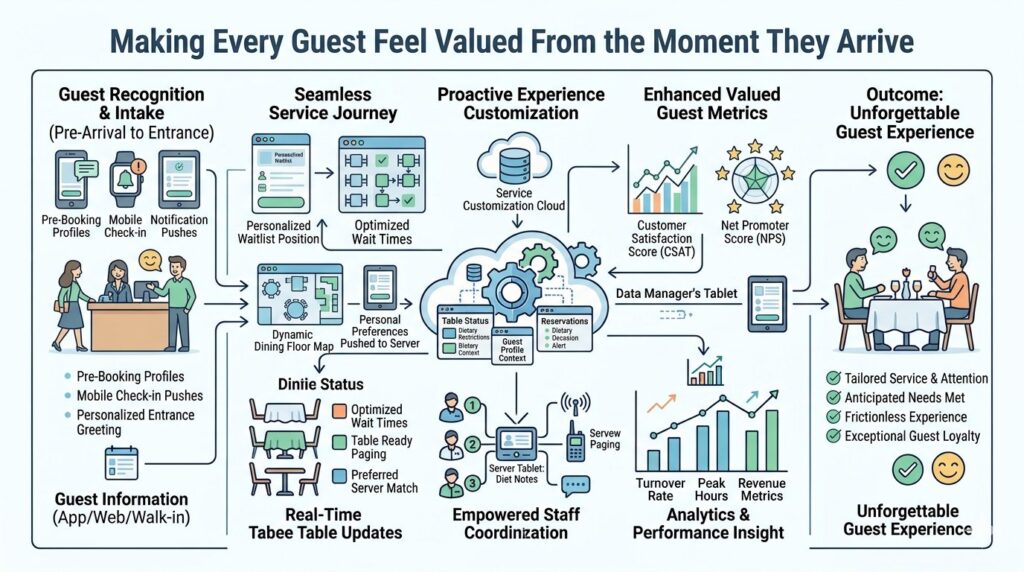
Using smart digital tools makes the whole day run much smoother. Modern systems keep tables organized and help staff greet every guest with a smile. This guide shares how digital tools help teams plan seating and handle busy shifts with ease. You will also see how DineGlobe fits into your daily routine.
Getting Started with Reservation Software
Reservation software acts as a digital logbook for your restaurant. Instead of writing names in a paper notebook, staff type details into a screen. The system stores guest names, party sizes, and arrival times safely in one spot. It shows which times are full and which slots are still open.
Paper books tear, get wet, and are hard to read when writing gets messy. Digital boards keep everything neat so every staff member sees the exact same plan. When a family arrives early, the host updates the screen with a quick touch. This clear view stops mix-ups and keeps the dining room peaceful.
Booking Tables Online and Direct Guest Access
Online booking tools let hungry diners reserve a table right from their phones. Guests pick their preferred date, time, and group size without needing to call. The system checks open slots instantly before locking in the visit. This convenient setup saves time for both diners and busy front staff.
Direct booking features let food spots take reservations right through their own web pages. Keeping bookings in-house builds a closer bond with your regulars. You can send friendly text reminders so guests show up on time. Simple booking forms make the whole process welcoming and bring more people through your doors.
Keeping Track of Seating with Table Tools
Table management tools give staff a live view of every seat in the house. The screen shows which tables are empty, currently dining, or waiting to be cleaned. Hosts can assign incoming groups to the right table size right away. Proper seating choices prevent long lines and balance work for your servers.
Clear table tracking prevents awkward mix-ups on busy weekend nights. Imagine a Friday rush with dozens of people walking in together. Without a clear system, staff might seat people at dirty tables or skip available spots. Live status updates let you move guests in quickly so servers can deliver meals hot and fresh.
Managing Waiting Lists Without the Stress
Waitlist software helps host teams care for walk-in guests when every table is full. Staff type the guest name and phone number into a simple digital list. The program guesses how long the wait will be based on how fast tables turn over. Staff can even send a quick text message when the table is ready.
Clear waitlist steps help staff talk to waiting guests with calm confidence. Guests can stretch their legs outside or sit nearby until their phone buzzes. This keeps the entrance area open and quiet. Good waitlist tools build trust and make waiting feel much shorter for everyone.
Floor Plans and Front Desk Setup
Floor plan tools draw a digital map of your entire restaurant layout on one screen. Staff can see the main dining room, cozy booths, and outdoor patio spots instantly. Color codes show at a glance which areas are full and which are open. This visual map helps hosts seat large groups at joined tables without guessing.
Host stand tools bring maps, booking lists, and guest notes together in one place. Staff can view helpful notes, like birthday wishes or food allergies, right when guests walk in. Connecting the floor map with arrival lists keeps the front desk calm. Good front desk flow sets a happy mood for the entire meal.
Choosing Software for Small Restaurants
Smaller eateries and cozy local cafes have unique needs when picking new tools. Small teams usually operate with tight budgets and fewer staff members. Finding the right software means looking for simple controls that require very little training. Small teams need tools that work right away without complicated menus.
Restaurant owners should check their true daily needs before spending money. Paying for giant tool packages you never use just wastes hard-earned cash. Owners can test booking tools on a simple tablet to check speed and ease of use. Simple software helps small teams handle rushes without slowing down the kitchen.
Free Systems and Pricing Choices
Some companies offer free reservation tools to help new businesses get off the ground. Free plans often limit how many bookings you can take each month. Other free options might leave out customer support or custom layout tools. Owners should read the fine print to understand all plan limits.
Comparing free and paid plans helps you plan your budget wisely. Free tools work well for tiny spots just starting out. Growing spots often need paid plans to unlock extra help and higher booking limits. Knowing these differences helps you pick tools that grow with your business.
Handling Walk-In Guests Smoothly
Walk-in management tools help staff welcome guests who arrive without a prior booking. Walk-ins make up a huge part of everyday restaurant sales. Staff add walk-in groups to the system the moment they step inside. The tool compares walk-in arrivals against upcoming table reservations.
Balancing walk-ins and reservations takes careful planning. If you give a table to a walk-in, a reserved party might end up waiting. Smart software warns staff when a table must stay empty for an incoming booking. This balance helps you welcome walk-ins without breaking promises to people who booked ahead.
Steps to Pick the Right Booking Tool
Finding the right table tool takes a little thought and testing. Follow these simple steps to choose the best fit for your team:
- Write down your biggest daily seating and booking problems.
- Count your average daily reservations and walk-in guest totals.
- Choose the core features your staff truly need every day.
- Compare plan prices and check for hidden booking limits.
- Test how easy the booking screens feel on a phone or tablet.
- Train your team members thoroughly before your first live shift.
Testing tools early prevents stressful surprises during peak dinner hours. Pick a system that matches your daily rhythm and supports your business growth.
How DineGlobe Fits Your Daily Operations
DineGlobe offers modern software designed to make daily restaurant tasks easier. DineGlobe helps staff organize guest bookings, check open seats, and track arrival lists. The clean screen layout lets host teams handle busy doors without panic. Digital lists replace messy paper pads at the front desk.
Restaurant managers use DineGlobe to build smooth workflows for every shift. The software supports easy host stand tasks and keeps guest data secure. DineGlobe focuses on practical features that save time for working staff. Checking these software details helps owners find tools that match their exact dining room setup.
Frequently Asked Questions
What is restaurant reservation software?
Restaurant reservation software is a digital tool that manages table bookings. It replaces paper notebooks and keeps arrival schedules neat on screens.
How does an online booking system work?
An online booking system lets guests request tables using simple web forms. It checks open times, records party details, and confirms visits automatically.
What does table management software do?
Table management software tracks empty and taken tables in live time. It helps host staff place arriving guests into open seats quickly.
How can waitlist tools help restaurants?
Waitlist tools track walk-in guests when the dining room is full. They estimate wait times and notify guests with simple text messages.
What is floor plan software?
Floor plan software displays a digital map of the dining room layout. It helps staff view open spots and plan seating arrangements easily.
What should small restaurants look for in booking software?
Small restaurants should look for low costs, simple controls, and quick setup. Easy tools help small teams manage tables without long training sessions.
Is a free reservation system right for every restaurant?
Free reservation systems work great for new or tiny spots. Busy spots usually need paid plans for higher booking limits and live support.
How does walk-in management software work?
Walk-in software records unannounced guests right at the door. It helps staff balance walk-in seating alongside upcoming reserved tables.
What should owners check before choosing host stand tools?
Owners should check screen speed, layout clarity, staff training needs, and customer support options before buying.
What should readers verify about DineGlobe before choosing?
Readers should check DineGlobe’s current feature plans, pricing choices, and system setup to ensure it matches their daily restaurant workflow.
Final Thoughts
Organized booking tools completely change how restaurants handle daily guests. Digital reservation systems, table trackers, and waitlist tools keep dining rooms calm and happy. Staff save precious time, avoid seating mistakes, and deliver wonderful service to hungry visitors. Smart tools give host teams full control over room flow every single day.
Choosing the right software depends on your restaurant size, guest count, and daily goals. Whether you run a tiny neighborhood cafe or a busy dining hall, simple tools help your business thrive. Explore trusted options like DineGlobe to build a modern, welcoming space for your guests.
Leave a Reply